

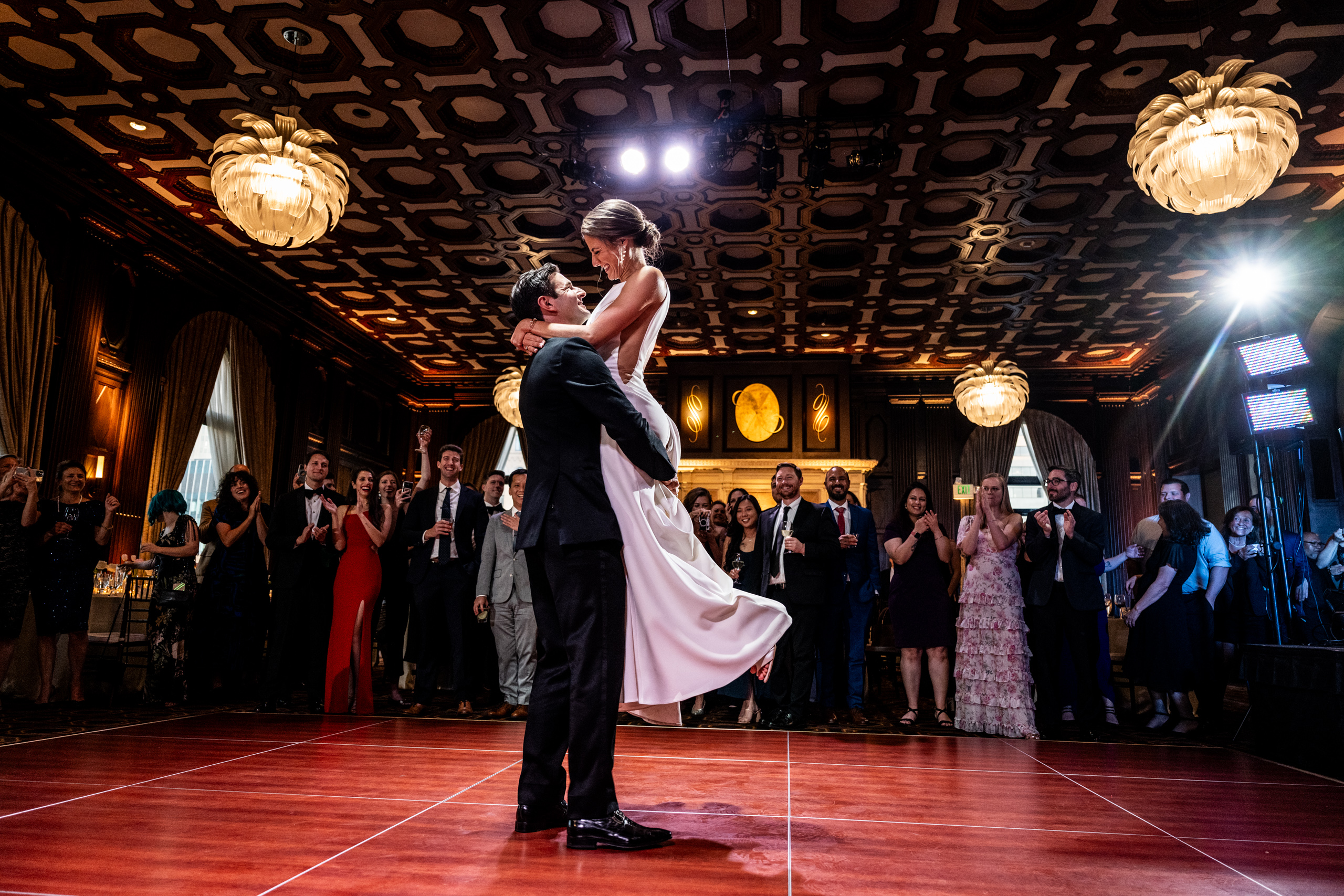
There is no shortage of wedding photographers (sad for me, great for you!). Type a city name and “wedding photographer” into Google and you will find dozens of results within seconds, each with a polished website and glowing reviews. I generally recommend a warmer starting point from a planner you’re working with (who will likely provide options already). Ask friends whose wedding photos you loved, or people who share your taste and sensibility. A recommendation from someone with a similar personality or aesthetic is worth more than a page of search results. But however you find your candidates, the question remains the same — how do you actually choose the best wedding photographer among so many options?
The answer is less about finding the objectively “best” photographer and more about finding the right one for your wedding, your vision, and your working style. This guide will walk you through exactly how to do that.
1. Start With Style
The first instinct for many couples is to anchor their search on budget. Most couples have a general sense of what they want to spend, but not what they want to get. Take a moment to just explore different styles. Photography style is more important as a starting filter, because style determines whether the images will actually feel like your wedding.
There are three broad stylistic categories worth understanding:
- Documentary / photojournalistic. The photographer follows events as they unfold, prioritizing candid emotion over posed arrangements. The emphasis is on story.
- Fine art / editorial. Highly composed, often with a painterly or fashion-forward aesthetic. Beautiful images, but they frequently require more direction and styling.
- Traditional / classic. Reliable coverage with formal portraits and predictable structure. A good fit if family formals and complete coverage are priorities.
Most photographers blend these approaches, but nearly every portfolio leans one direction. Spend time looking at full galleries, not just highlight reels or Instagram grids. A 10-image highlight can look stunning from almost anyone; a full wedding gallery of 800–1,000 images tells you what the day actually looked like. Some photographers keep these private to protect their clients, but any established photographer should be able to share one or two upon request.
2. What the Photographs Actually Tell You
A portfolio is not just a collection of pretty images. It is a deliberate statement of what a photographer values and by extension, what they will prioritize on your day. Learning to read one carefully is one of the most useful things you can do early in your search.
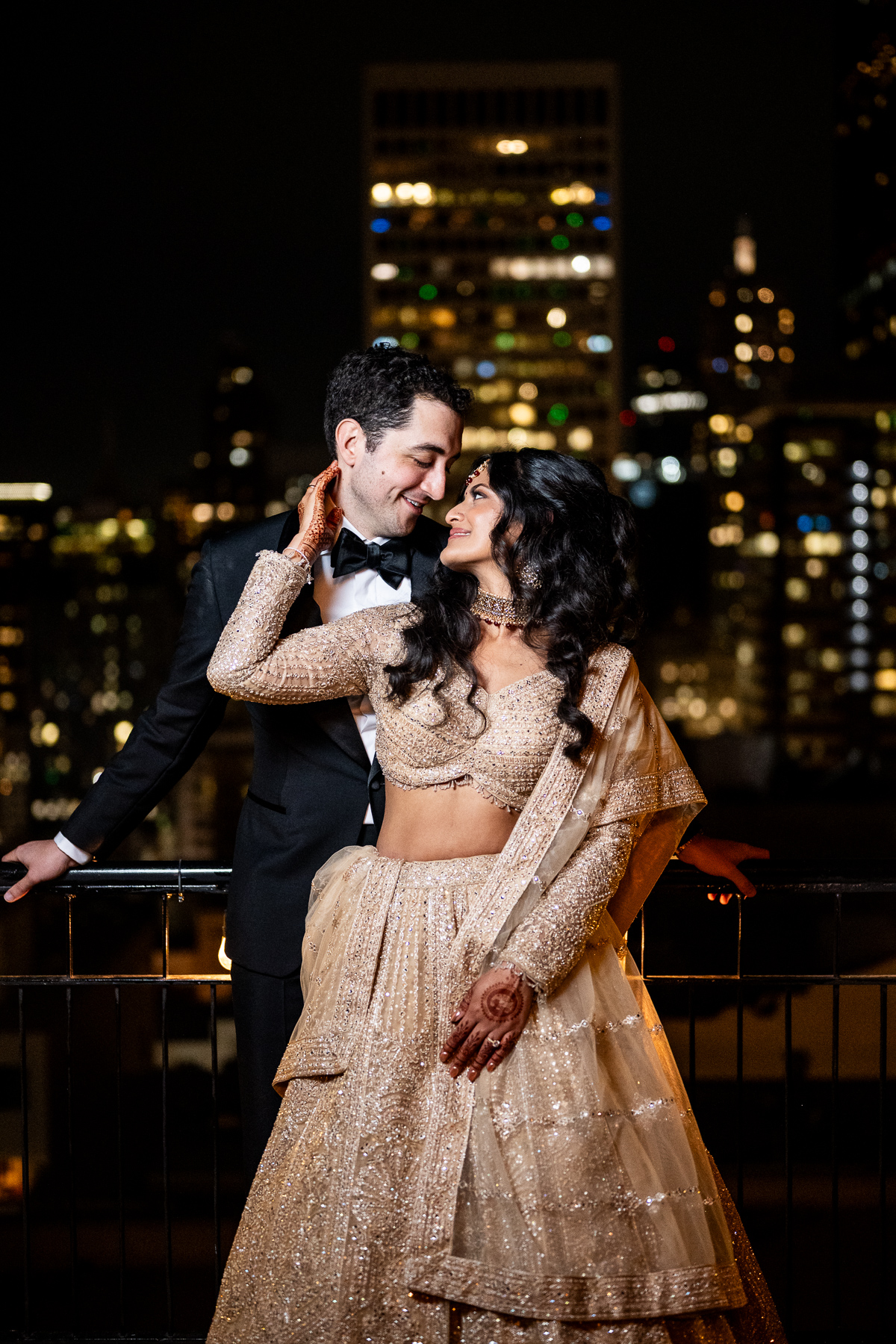
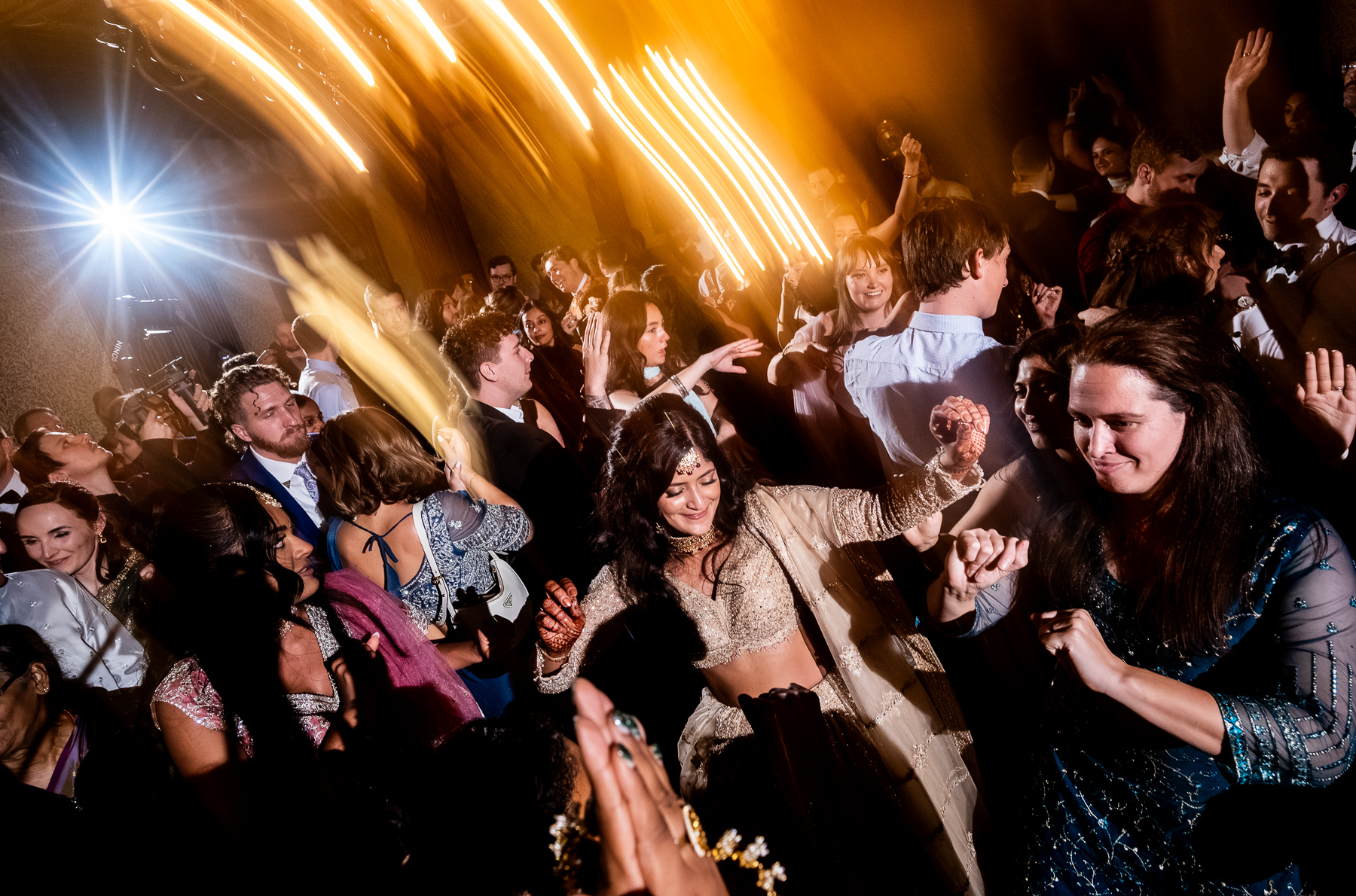
What they lead with tells you what they reach for first. Look at the images a photographer chooses to feature prominently. Are they candid moments like a laugh, a heartfelt embrace — something unposed and fleeting? Are they portraits that are carefully lit and composed? Are they details: florals, tablescapes, rings? There is no wrong answer, but the pattern reflects genuine preference. A photographer who leads with moments will hunt for them on your day. One who leads with portraits will carve out time for them. Know which one you are hiring.
Coherence across weddings matters more than any single image. Look at work from multiple weddings, not just one curated gallery. Does the work feel like it comes from the same person with a consistent eye, or does each wedding look like a different photographer shot it? Coherence across varied venues, seasons, and couples is the mark of someone who brings their vision to the day rather than just reacting to it. A scattered portfolio is not just an aesthetic issue, it often signals that a photographer has not yet developed a clear point of view, which is a practical concern when you are trusting them to make hundreds of decisions on your behalf.
Not all reference imagery is created equal. A significant portion of the wedding imagery trending on Instagram or featured by aggregator accounts is from very high-budget weddings or designed inspiration shoots. Think $500,000 to $1,000,000 or more. Celebrity weddings, socialites, editorial shoots. The florals, venues, and production value in those images are doing a lot of the work. Nothing wrong with it, in fact I love high level design and if that is your budget, great! But for most couples, those images set an unrealistic benchmark. Look for photographers whose portfolio reflects weddings closer to your own scale. Beautiful, emotionally resonant work does not require a seven-figure production budget.
Pay attention to your emotional response. Most importantly, ask yourself whether the images actually moved you. Did anything stop you mid-scroll? Did you feel something — not just admiration for the craft, but a genuine reaction to the moment being captured? That feeling is hard to inspire and impossible to fake. If you are scrolling through a gallery and nothing lands, that is useful information too.
3. Chemistry Is Not a Soft Factor
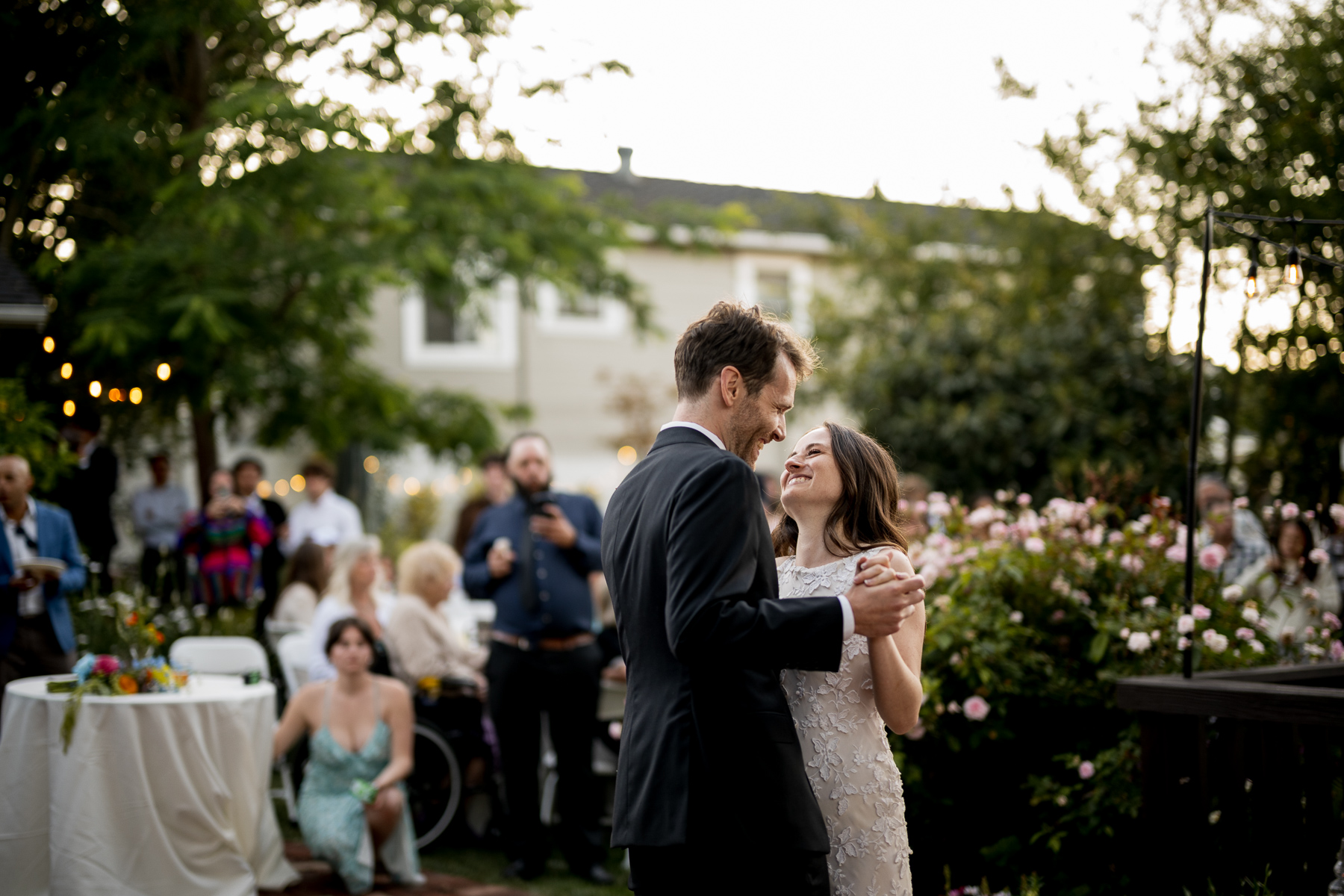
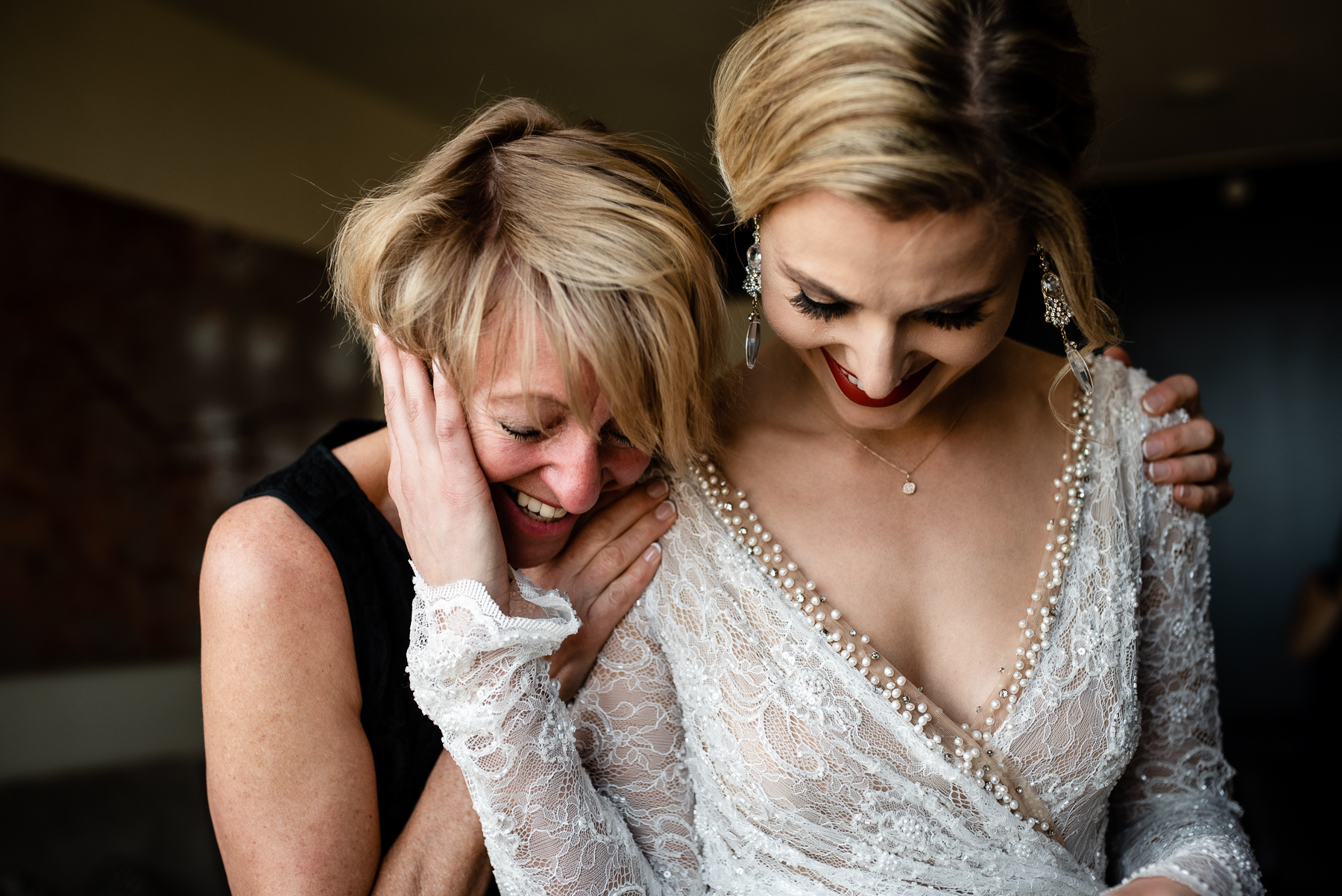
Your photographer will be with you for eight to ten hours on one of the most personal days of your life, sometimes longer. They will be closer to you during the ceremony than most of your guests. That proximity and associated trust matters.
A photographer you are comfortable with will get fundamentally different images than one you are not. Relaxed, authentic moments require a certain ease between subject and camera. The best photographers know how to create that environment. The worst can make you feel like you are performing for them all day.
Before booking, get on a video or phone call. Notice whether they ask questions about your day, your relationship, what matters to you. Or whether they jump straight to deliverables and pricing. A good conversation is data. This goes both ways, by the way… I love to talk to couples just to see if we’re a good fit because if we are unaligned in values and vision, that can create some potential friction in the process. It’s the number one reason I encourage a call if you’re interested in the work.
Photography isn’t just showing up and taking photos, it’s about trust and access.
4. Understand What the Price Actually Covers
Wedding photography pricing varies widely, and most couples know to ask about the basics: how many hours of coverage, how many edited images, what the turnaround looks like, whether a second shooter is included, and whether an album is part of the package. Those are the right questions and worth asking clearly. A typical wedding runs 8–10 hours of coverage, and a reasonable delivery benchmark is roughly 75–100 edited images per hour. If a package falls significantly short of either, it is worth understanding why.
But the line item that rarely appears on a pricing sheet is experience.
An experienced photographer has shot in that difficult backlit chapel before. They have managed a timeline that fell apart by noon. They have handled a nervous couple, a distracted officiant, a best man who gave a 20-minute toast. They have made hundreds of quiet decisions under pressure that the couple never noticed, because nothing went visibly wrong. That accumulated judgment does not show up in a single portfolio image. But it shows up across every gallery they have ever delivered, and it surfaces clearly in reviews — which is worth keeping in mind when you get to that part of your research.
One useful framing: photography is the only thing you will have from your wedding day in five years. Most other line items (flowers, catering, décor) are experienced once. Images are kept for decades. That is not an argument to overspend, but it is a reason to weight the category deliberately.
5. Evaluate Reviews, but Read Between the Lines
Reviews are useful, but they tend to cluster positively. Nearly every photographer with a reasonable track record will have glowing testimonials. What differentiates them is specificity.
Look for reviews that describe the experience in concrete terms: how the photographer handled a difficult timeline, how they managed a nervous groom, how quickly they delivered. This is also where experience becomes legible. The reviews that mention a photographer solving a problem quietly, or keeping things moving without anyone noticing, are describing something that no portfolio image can show you.
Vague superlatives (“amazing!”, “the best!”) are less informative than specific observations about working style and professionalism. Also pay attention to recency. A photographer’s consistency and approach evolve over time, and reviews from five or six years ago may not reflect where they are today.
6. Vibe Check — Ask the Right Questions Before You Book
The inquiry call is your chance to assess fit and professionalism. A few typical questions worth asking:
- How do you approach weddings where the timeline runs behind?
- How much direction do you provide?
- Have you shot at our venue before? If not, do you do a site visit?
- What is your backup plan if you have a gear failure or a personal emergency?
But my personal favorite? Ask them to define their own work and those buzzwords that are floating around: timeless, editorial, candid — it’s easy to get caught up in trending terminology, but experienced photographers have a solid ethos behind what they’re trying to capture and how to do it and what it all means to them.
7. Trust Your Gut… But Verify
After all of the research and calls, there is usually a moment where one photographer just feels right. That instinct is worth paying attention to. But verify it with the practical factors above before signing.
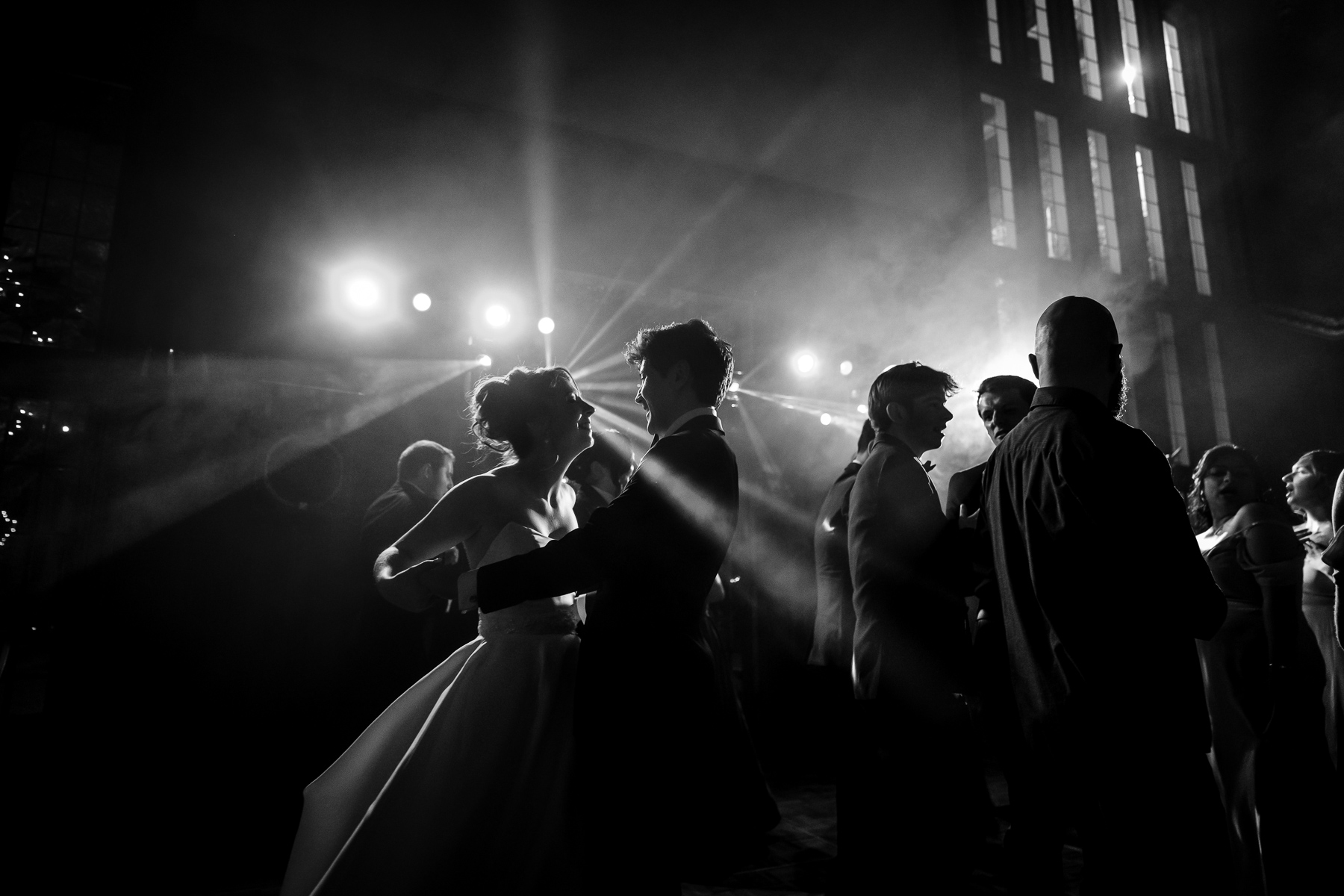
The best outcome is finding someone whose work consistently moves you, whose communication is professional and warm, and whose approach to the day matches your own priorities: whether it’s capturing quiet moments and interactions throughout the day, beautifully composed portraits, the unscripted chaos of the dance floor, or some perfect mixture of everything.
That combination is rarer than the volume of options makes it seem. When you find it, it tends to be obvious.
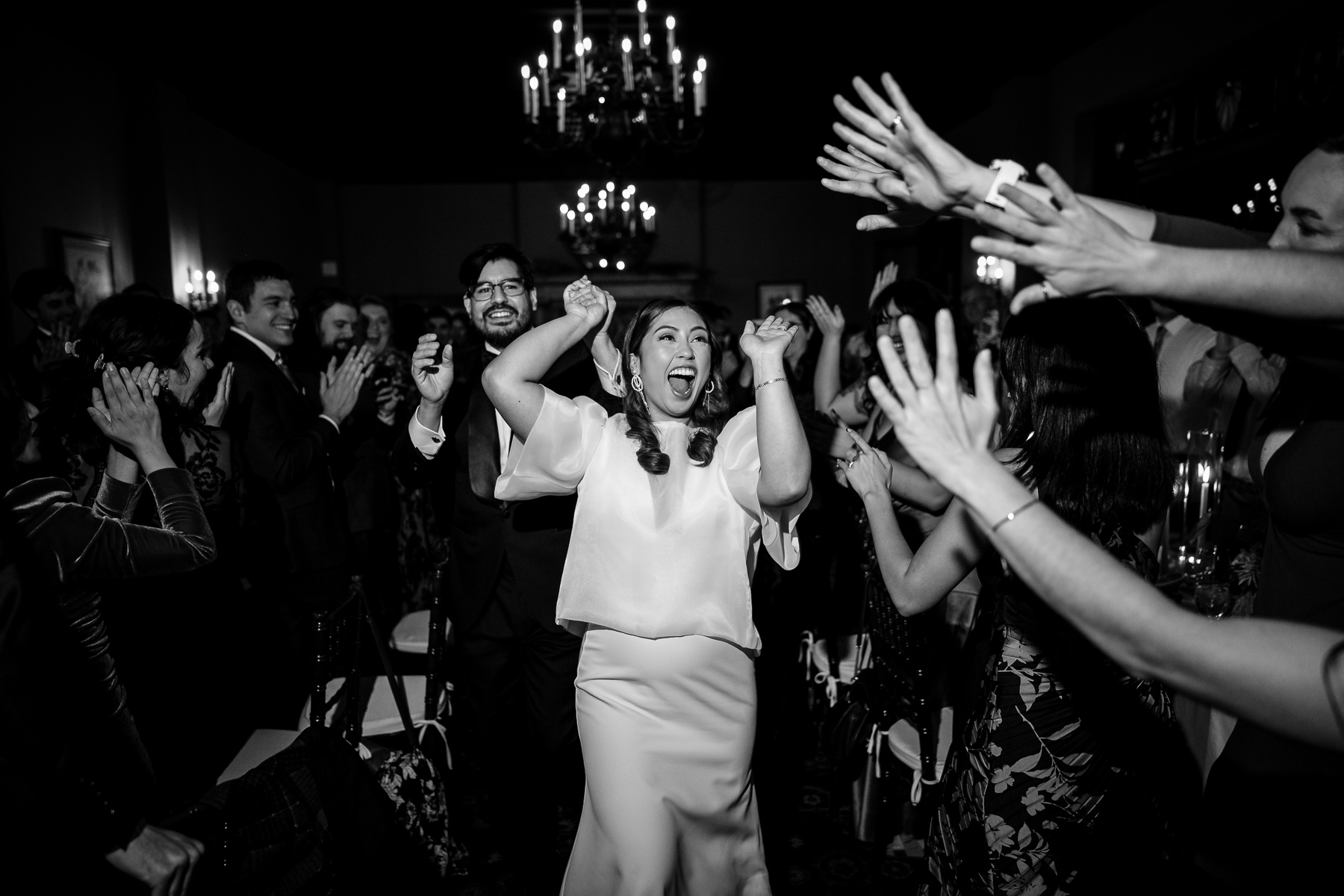
A final note: do not wait too long to book. The photographers whose work you admire most are likely booking 8–12 months in advance. Starting your search early gives you the most options — and the least pressure to compromise.
Hopefully this has helped point you in the right direction. And if your search happens to end up here — I would love to work with you!

SHARE: